In short: Type 410 is the foundational martensitic stainless steel — a 12% chromium alloy with carbon up to 0.15%. Unlike austenitic 304, it can be hardened by heat treatment to roughly 40–45 HRC through the austenitize → quench → temper cycle, yielding a BCT martensite (α′) structure that is both hard and permanently magnetic. Corrosion resistance is moderate: better than plain carbon steel, but substantially lower than austenitic grades. It is the natural choice for valves, pump shafts, fasteners, and turbine blades where hardness and moderate corrosion resistance must coexist. For more hardness, step up to 420; for maximum hardness, see 440C.
What 410 Stainless Steel Is
Type 410 is the default member of the martensitic stainless steel family — the most widely used hardenable stainless grade. It is built on approximately 12% chromium and up to 0.15% carbon in an iron base, with near-zero nickel. Heat-treated 410 delivers mechanical properties comparable to the engineering alloy AISI 4130, with the added benefit of corrosion resistance that plain carbon steel cannot offer.[1]
Because it is traded worldwide, the same alloy carries several names. In the Unified Numbering System it is UNS S41000; in the European EN system it is 1.4006 (X12Cr13); and in Japanese practice it is SUS 410. Unlike the austenitic 304 (18% Cr, 8% Ni, FCC lattice), grade 410 contains very little nickel, has a lower chromium level, and derives its strength not from alloy additions but from the martensitic transformation triggered by quenching.
In the Chinese GB system, grade 410 corresponds to 12Cr13 (GB/T 20878), still widely called by its older name 1Cr13. The numeral prefix encodes carbon: 1Cr13 ≈ 0.1% C, 13% Cr. Chinese buyers searching for *1Cr13* or *12Cr13* are looking for this exact alloy. The next grade up the carbon ladder — 420 / 20Cr13 (2Cr13) — adds carbon for a harder edge; higher still are 30Cr13 (3Cr13) and 40Cr13 (4Cr13).
Chemical Composition
The performance of 410 flows from a lean chemistry: enough chromium to passivate, enough carbon to harden, and tightly controlled impurities. The chart highlights the elevated carbon contribution versus 304, and the near-zero nickel that marks the martensitic family.[1]
| Element | Symbol | Content (wt%) | Role |
|---|---|---|---|
| Chromium | Cr | 11.5–13.5 | Forms the protective passive oxide film; minimum for stainlessness |
| Carbon | C | 0.08–0.15 | Key hardening element — trapped interstitially during quench to produce BCT martensite |
| Manganese | Mn | ≤ 1 | Deoxidiser; forms MnS inclusions (pit-initiation sites) |
| Silicon | Si | ≤ 1 | Deoxidiser; oxidation resistance |
| Iron | Fe | Balance | Base metal |
Specified composition limits per ASTM A276.[1]
Crystal Structure: BCT Martensite
Stainless steel is an alloy — a solid solution of elements in iron — so it has no molecular formula. The correct description is by crystal structure.
When 410 is austenitised (heated to 925–1010 °C) and rapidly quenched, the face-centred cubic (FCC) austenite transforms displacively into body-centred tetragonal (BCT) martensite (symbol α′). The tetragonal distortion — a slight elongation of one axis of the body-centred cubic lattice — arises because carbon atoms are trapped in interstitial sites before they can diffuse out. More carbon means greater tetragonality, which is why higher-carbon grades (420, 440C) develop greater hardness.[1]
The BCT lattice is ferromagnetic — which is why 410 is magnetic throughout its life (unlike annealed 304). The as-quenched martensite is hard but brittle; tempering at 150–650 °C relieves internal stresses and converts some retained austenite, adjusting the final balance of hardness and toughness. Tempering in the 370–565 °C range should be avoided as it degrades impact resistance.[1]
Corrosion Resistance: Useful But Limited
410's corrosion resistance comes from the same mechanism as every other stainless steel: chromium above ~11% spontaneously builds a dense, self-repairing chromium-rich oxide passive film on the surface. With 11.5–13.5% chromium, 410 has the minimum margin for stainlessness — enough to resist mild atmospheres, fresh water, and food acids, but with two inherent vulnerabilities.[3]
Vulnerability 1 — Low chromium margin. At only 11.5–13.5% Cr, the passive film has little margin above the ~11% threshold. Any local depletion of chromium — through carbide precipitation or sensitisation — can break the film entirely.
Vulnerability 2 — Carbon and carbide formation. Carbon up to 0.15% can combine with chromium at elevated temperatures to form chromium-rich carbides. Research on martensitic stainless steels demonstrates that the chromium depletion zones adjacent to carbides become the active sites for pitting corrosion in chloride media: as tempering temperature rises, the chromium content in the matrix drops, eventually breaking below the threshold needed for a protective passive film.[4]
MnS inclusions (formed from residual sulfur during steelmaking) are a further pit-initiation mechanism documented across stainless grades.[3]
Best corrosion performance from 410 is obtained in the hardened, polished, and passivated condition. The grade is not suitable for seawater, marine atmospheres, de-icing salts, or aggressive chloride processes.
Mechanical & Physical Properties
Grade 410 offers two distinct property profiles depending on heat treatment — a unique advantage over non-hardenable stainless grades. The table below lists the annealed (Condition A) and quenched-and-tempered conditions side by side.[1]
| Tensile strength (MPa) | ≈480 |
| Yield strength (MPa) | ≈275 |
| Elongation (%) | ≈20 |
| Hardness | ≤217 HB |
| Magnetic response | Magnetic |
| Tensile strength (MPa) | ≈700–950 |
| Hardness | ≈40–45 HRC |
| Density (g/cm³) | 7.75 |
| Elastic modulus (GPa) | 200 |
| Magnetic response | Magnetic |
⚠️ Avoid tempering in the 370–565 °C range — this band causes low and erratic impact resistance and reduces corrosion resistance.[1]
Studies comparing heat-treated AISI 410 and 420 confirm that austenitizing at ~1198 K followed by oil quenching yields a martensitic microstructure, with subsequent tempering adjusting carbide size and distribution. AISI 410 — with less carbon — shows a cleaner martensitic matrix without notable carbide precipitates at moderate tempering temperatures, translating to predictable wear behaviour.[2]
Key Characteristics
- Heat-treatable hardening. The single most important property: quenching from the austenite field produces BCT martensite (α′) that can be tempered to any hardness from ~25 to ~47 HRC — unmatched by austenitic or ferritic grades.
- Permanently magnetic. The BCT lattice is ferromagnetic through all heat treatment states, unlike annealed 304.
- Moderate corrosion resistance. Adequate for mild atmospheres, fresh water, and food contact — inferior to 304/316 in any chloride environment.
- Good machinability (annealed). Less work-hardening than 304 means it is easier to turn, mill, and drill in the annealed condition before heat treatment.
- Poor weldability. Rapid cooling in the heat-affected zone produces hard, brittle martensite — pre-heat and post-weld heat treatment are required if welding is necessary.
How 410 Is Made
Production begins with electric arc furnace (EAF) melting of scrap and ferroalloys, then argon–oxygen decarburisation (AOD) to control carbon and preserve chromium. The steel is cast, hot- and cold-rolled, annealed, and pickled. For service as a structural or wear-resistant part, the final step adds a hardening cycle: austenitize → quench → temper → precision grind.
410 vs 304 — Hardened Strength vs. Corrosion Resistance
The most fundamental comparison in stainless selection is often between a hardenable martensitic grade and the austenitic workhorse 304.
The key message: 410 and 304 are built for fundamentally different jobs. When hardness, wear resistance, and mechanical strength are the prime requirements — and chloride exposure is limited — 410 delivers what no austenitic grade can. When corrosion resistance in varied or humid environments is paramount, 304 wins.
Applications by Industry
410's combination of heat-treatable strength and moderate corrosion resistance makes it the standard for mechanical parts in mildly corrosive environments.
Valves and Pumps
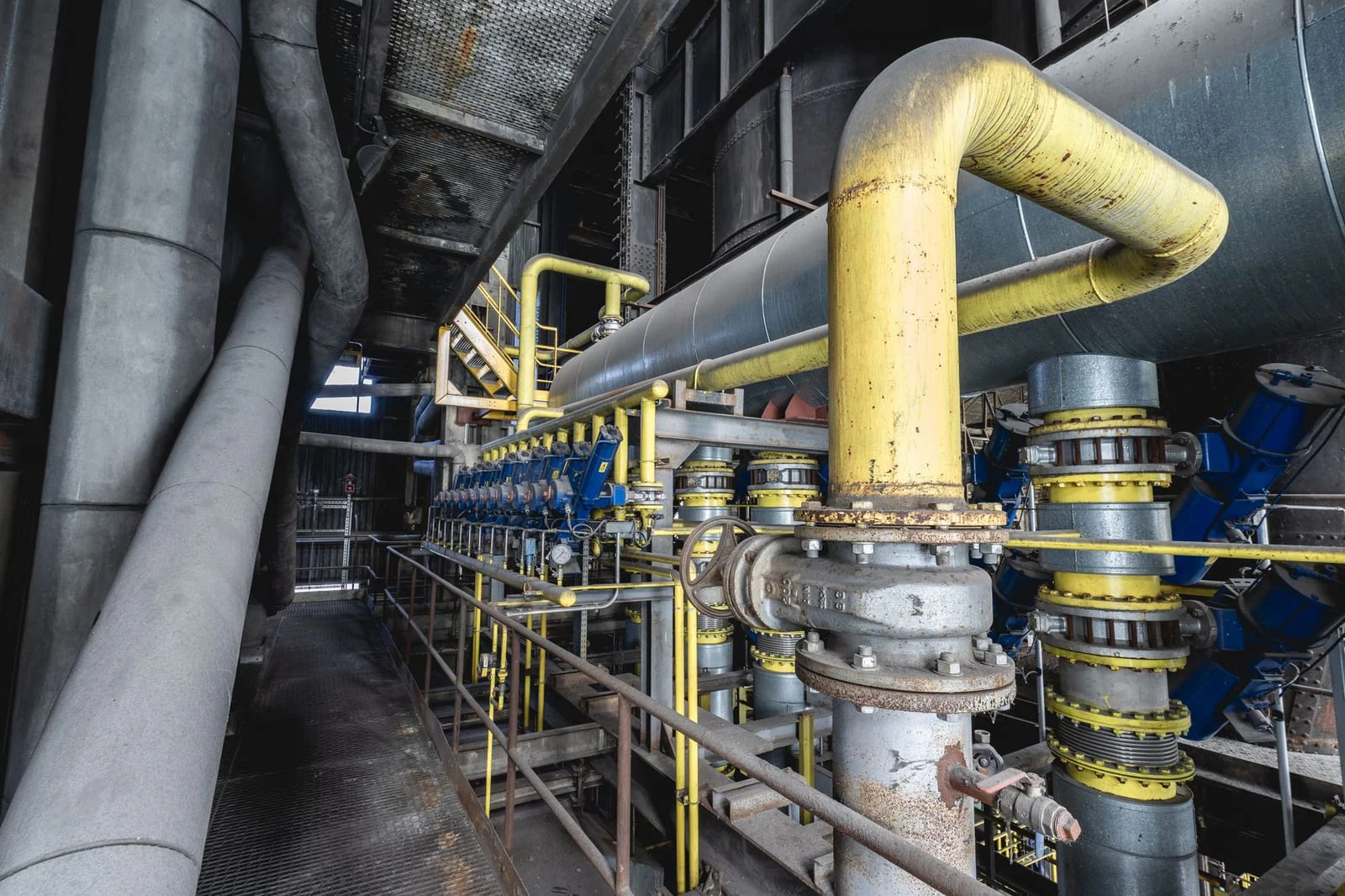
Valve trim (stems, seats, discs), pump shafts, impellers, and nozzles where wear resistance and moderate corrosion resistance must coexist. Hardened 410 at ~40 HRC resists erosive wear from fluid flow.[1]
Fasteners and Structural Hardware
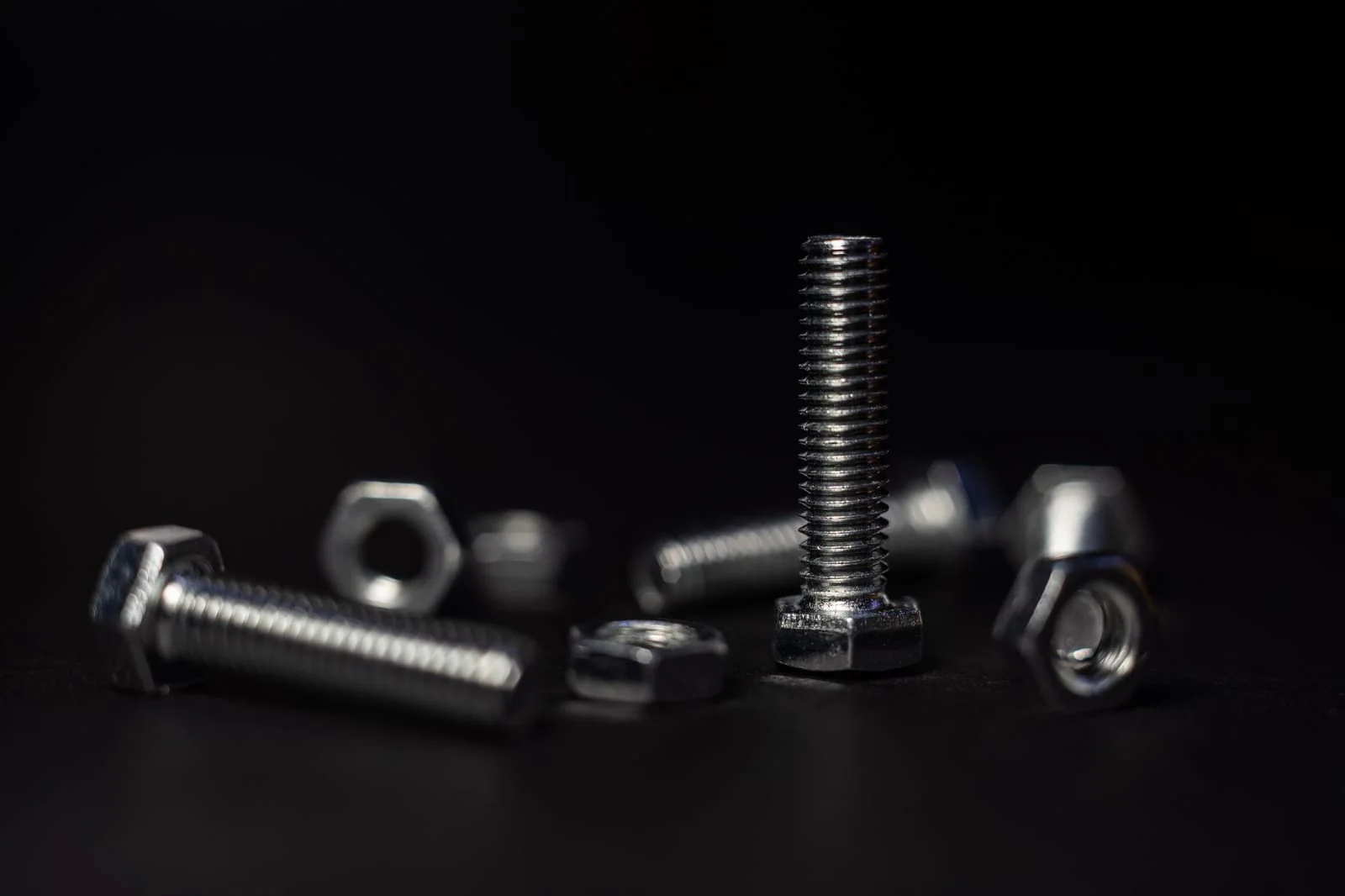
Bolts, screws, nuts, and studs for moderate corrosion duty — offshore equipment, chemical plant hardware, and petrochemical piping where 304 may lack the tensile strength.
Turbine Blades and Compressor Parts
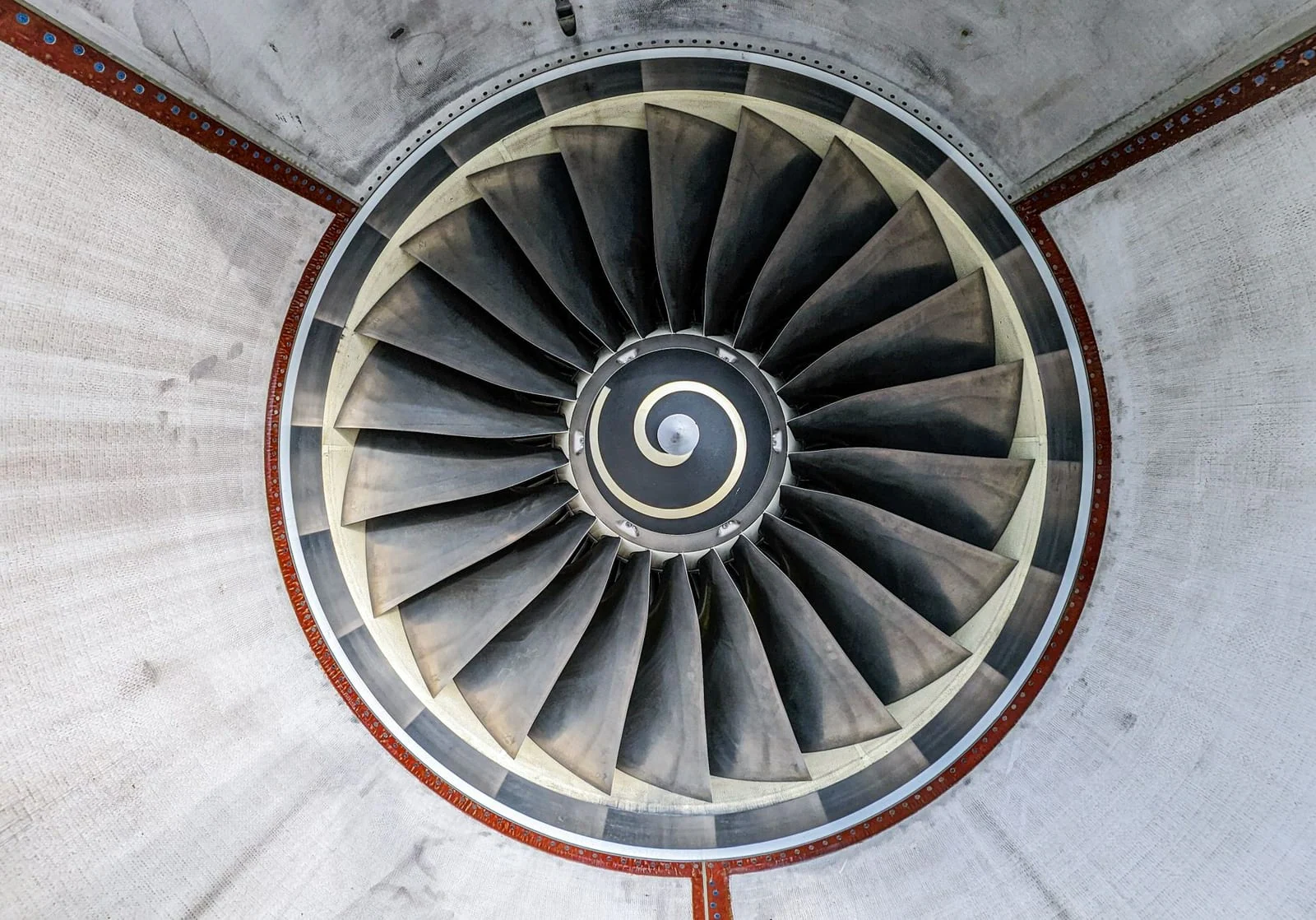
Steam turbine blading, where the combination of high-cycle fatigue resistance, hardness, and mild steam environment make 410 a classic choice. The grade has been used in turbine blading for decades.
Surgical and Dental Instruments
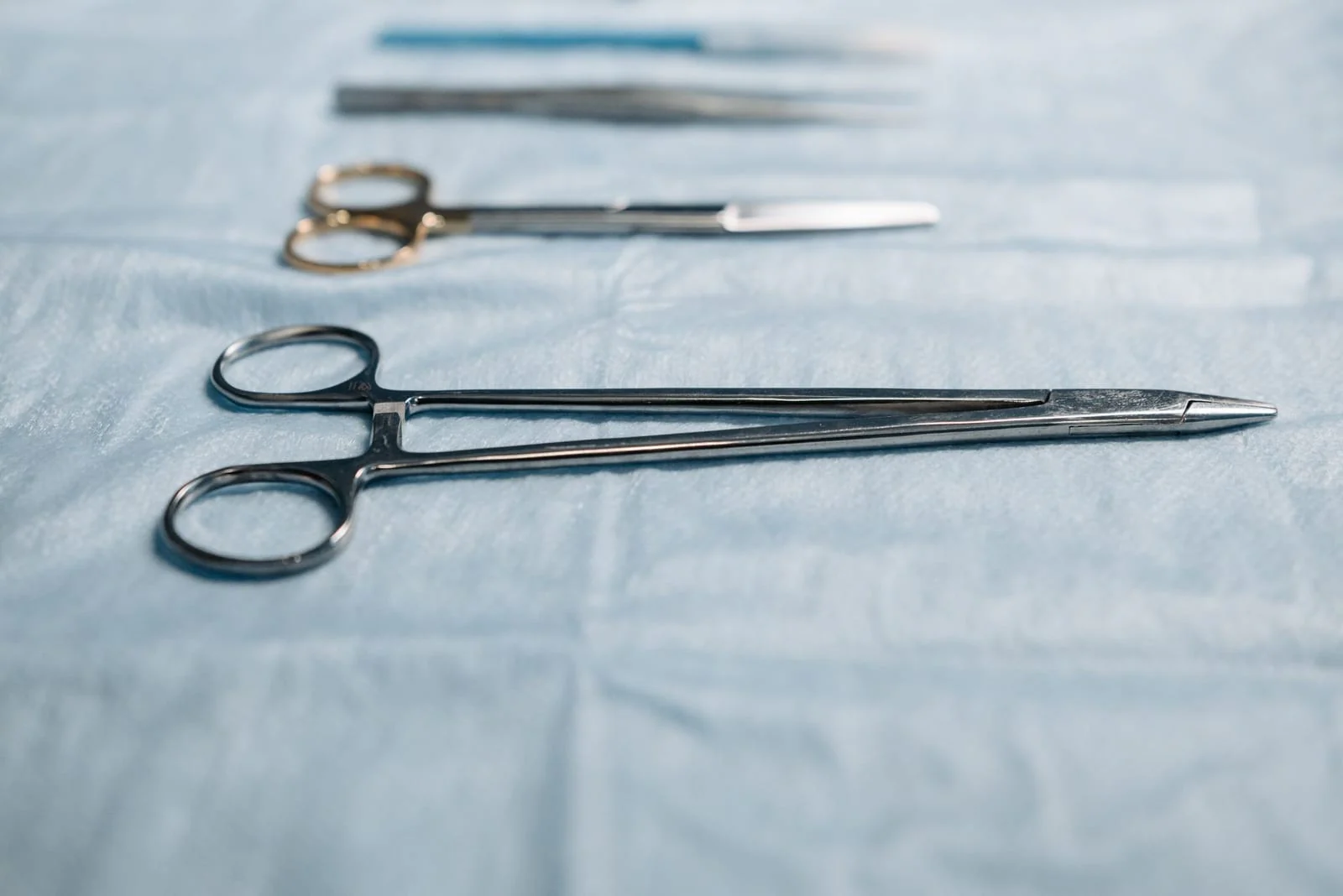
Reusable instruments that must survive repeated steam sterilisation, sharp-edge retention, and moderate corrosion from bodily fluids. 410 is used where 420 (higher hardness) is not required.[1]
Forms & Finishes
Common product forms:CoilSheetPlateBar (round / flat)Forging
Surface finishes:2B (annealed)No.4Hardened + ground
For hardened applications, the final precision grind to dimensional tolerance is the functional surface — polish is a secondary benefit for corrosion resistance.
References
- Stainless Steel – Grade 410 (UNS S41000). AZoM (materials datasheet based on the ASTM/AISI grade system). azom.com/article.aspx?ArticleID=970
- Investigating the structural properties and wear resistance of martensitic stainless steels. (AISI 410 & AISI 420 heat treatment, hardness, microstructure). Heliyon / PMC11575766, 2024. pmc.ncbi.nlm.nih.gov/articles/PMC11575766/
- Pitting corrosion characteristics of sintered Type 316L stainless steel: pores and MnS. (Saito et al.). npj Materials Degradation 8, 2024. doi.org/10.1038/s41529-024-00482-6
- Accessing the full spectrum of corrosion behaviour of tempered type 420 stainless steel. (Zhou & Engelberg). Materials and Corrosion, 2021. doi.org/10.1002/maco.202112442