In short: B10 is the 90/10 cupronickel — a copper alloy with roughly 10% nickel (plus small iron and manganese additions) developed specifically for seawater service. Copper and nickel are mutually soluble in all proportions, so B10 is a single-phase FCC solid solution and is non-magnetic. Its defining property is not high conductivity (alloying with nickel drops it to ~9% IACS, the price of the alloy) but outstanding resistance to seawater corrosion combined with a naturally antifouling surface that discourages marine organisms from settling — which is why 90/10 Cu-Ni is the long-established standard for marine condenser tubes, seawater piping, and desalination plant. Step up to B30 (70/30 Cu-Ni) for higher-velocity, more turbulent seawater; for pure conductivity choose T2 copper, and for low-cost general hardware H62 brass — but neither survives seawater the way B10 does.
What B10 Cupronickel Is
B10 is the 90/10 copper-nickel alloy (cupronickel) — a copper base alloyed with roughly 10% nickel, plus deliberate small additions of iron and manganese. It is one of a family of copper-nickel alloys developed over more than half a century specifically for service in seawater, where its combination of corrosion resistance and natural antifouling behaviour has no close equivalent among other copper alloys.[4]
In the Chinese GB system it is B10 (GB/T 5231) — the "B" denotes *baitong* (白铜, white copper / cupronickel) and the 10 the nominal nickel percentage. It corresponds closely to UNS C70600 internationally and to the designation CuNi10Fe1Mn. Buyers searching *B10*, *90/10 白铜*, or *CuNi10Fe1Mn* are looking for this alloy.
B10 sits in the cupronickel branch of the copper family — distinct from pure copper, the brasses (Cu-Zn), and the bronzes. Where pure T2 copper is chosen for conductivity and H62 / H65 brasses for low-cost strength and formability, the copper-nickels trade away electrical and thermal conductivity in exchange for the best seawater performance in the family.
The iron and manganese additions are functional, not incidental: they markedly improve resistance to impingement attack and erosion-corrosion under fast-flowing seawater, widening the velocity envelope over which B10 stays protective.
Chemical Composition
Composition limits for B10 per GB/T 5231. Nickel is the principal alloying element — it raises strength and seawater corrosion resistance — while the controlled iron and manganese additions tune resistance to high-velocity impingement.
| Element | Symbol | Content (wt%) | Role |
|---|---|---|---|
| Nickel | Ni | 9–11 | Principal alloying element — raises strength and seawater corrosion resistance; fully soluble in copper (single FCC phase) |
| Iron | Fe | 1–1.8 | Improves resistance to impingement and erosion-corrosion under high-velocity seawater flow |
| Manganese | Mn | 0.5–1 | Deoxidiser; works with iron to stabilise the protective surface film against fast flow |
| Copper | Cu | Balance | Base metal — supplies the antifouling copper ions and the FCC matrix |
Per GB/T 5231 (B10 / CuNi10Fe1Mn), ≈ UNS C70600.
Crystal Structure: A Single FCC Cu-Ni Solid Solution
B10 is an alloy — a solid solution of nickel in copper — so it has no molecular formula. The correct description is by crystal structure.
Copper and nickel are both face-centred cubic (FCC) and are mutually soluble in all proportions — they form a continuous solid solution across the entire composition range. At ~10% Ni, B10 is therefore a single-phase FCC solid solution: nickel atoms substitute for copper atoms on the same FCC lattice, with no second phase and no phase transformation on cooling. The alloy is non-magnetic and stays so in all conditions.
Because the structure is a single solid solution, B10 has no passive film in the stainless-steel sense — its corrosion resistance is intrinsic to the alloy, arising from a stable, adherent surface layer of copper and nickel oxides rather than a chromium-rich passive film. Dissolved nickel substituting on the FCC lattice scatters conduction electrons, which is why cupronickel conducts far less heat and electricity than pure copper, while at the same time raising strength and seawater durability. There is no quench-and-temper cycle and no martensite: B10 is strengthened by solid-solution and cold work, and softened by annealing.
Corrosion Resistance & Antifouling: Why B10 Owns Seawater
B10 was developed for one job above all: surviving seawater. The 90/10 and 70/30 copper-nickels have been the marine engineer's standard heat-exchanger and piping materials for over half a century, and remain the benchmark against which other seawater alloys are judged.[1]
Seawater corrosion resistance. In flowing seawater B10 develops a protective, adherent surface film that keeps general corrosion rates very low over long service. Unlike brasses, it is not subject to dezincification (it contains no zinc), and unlike pure copper it tolerates higher seawater velocities thanks to its iron and manganese additions, which strengthen the film against impingement and erosion-corrosion.[1]
Natural antifouling — the property that sets it apart. Copper-nickel surfaces are inherently resistant to biofouling: marine organisms such as barnacles, mussels, and algae do not readily settle and adhere to them. The mechanism is the slow, controlled release of copper ions from the surface film, which discourages the attachment of fouling organisms — so a B10 condenser tube or hull stays cleaner with far less mechanical or chemical cleaning than a fouling-prone material would need.[2]
This antifouling behaviour is a documented, designed-in property of the copper-nickels rather than a coating that wears off: the resistance persists because it is a continuous surface phenomenon of the alloy itself, and any fouling that does accumulate is comparatively easy to remove.[1]
Boundaries, honestly stated. The antifouling effect is strong but not absolute. Under stagnant or very low-flow conditions, and in the presence of certain marine bacteria, the protective behaviour can be locally degraded — research on the related 70/30 cupronickel shows that microorganisms such as *Pseudomonas aeruginosa* can accelerate pitting under biofilms, so copper-nickel is best understood as highly fouling-resistant within its design envelope, not immune.[3] Good design keeps seawater moving and within the recommended velocity band.
Electrical & Thermal Conductivity: The Cost of the Alloy
Alloying copper with nickel exacts a price in conductivity. Nickel atoms in the FCC lattice scatter conduction electrons, so B10 conducts far less electricity and heat than pure copper. The chart shows the trade-off across the copper family — from near-pure T2 copper at the IACS benchmark, through the brasses, down to cupronickel.
At roughly 9% IACS, B10 has the lowest conductivity in the copper family shown here — the direct consequence of alloying. This is not a flaw but a deliberate exchange: the same nickel that suppresses conductivity is what buys the outstanding seawater corrosion resistance. In a marine condenser the modest thermal conductivity is more than offset by the tube staying clean (antifouling) and intact (corrosion-resistant) over decades of seawater service, where a higher-conductivity but fouling-prone material would foul up and lose far more heat-transfer performance in practice.[4]
Mechanical & Physical Properties
B10 offers a useful balance of strength and ductility in the annealed condition — stronger than pure copper thanks to nickel in solid solution, yet ductile enough to be readily cold-drawn into thin-wall condenser tube and cold-formed into plate.
| Tensile strength (MPa) | ≈300 |
| Yield strength (MPa) | ≈120 |
| Elongation (%) | ≈35 |
| Hardness | ≈65 HV |
| Density (g/cm³) | 8.9 |
| Elastic modulus (GPa) | 135 |
| Magnetic response | Non-magnetic |
Nickel in solid solution provides solid-solution strengthening over pure copper, and further strength is available through cold work. Being a single-phase solid solution with no hardening transformation, B10 cannot be quench-hardened the way martensitic steels are; its mechanical condition is set by the degree of cold work and the annealing schedule.
Key Characteristics
- Outstanding seawater corrosion resistance. The reference material for marine heat-exchanger and piping service; no dezincification, low general corrosion rates in flowing seawater.
- Naturally antifouling. Slow copper-ion release discourages marine-organism attachment, keeping condenser tubes and piping clean with minimal intervention.
- Good erosion-corrosion resistance. Iron and manganese additions strengthen the surface film against high-velocity impingement.
- Non-magnetic, single-phase FCC. A stable Cu-Ni solid solution with no phase transformation — magnetically inert in all conditions.
- Low conductivity by design. ~9% IACS — the cost of nickel alloying, accepted in exchange for seawater durability.
- Readily formed and joined. Ductile in the annealed condition, drawn into thin-wall tube and weldable for marine fabrication.
How B10 Is Made
B10 is melted and cast to the controlled Cu-Ni-Fe-Mn composition, then hot- and cold-worked into product form. For its primary use — condenser and heat-exchanger tube — the critical steps are tube drawing to thin wall and a final anneal that sets ductility for forming and a clean surface for the protective film to develop in service.
Tight control of the iron and manganese additions during melting is essential, because it is these elements — held within the specified band — that govern resistance to impingement and erosion-corrosion in fast-flowing seawater.
B10 vs T2 vs H62 — Picking the Right Copper Alloy
All three are copper-base FCC alloys, but each is optimised for a different job. The choice comes down to whether the priority is seawater durability, electrical/thermal conductivity, or low-cost strength.
Applications by Industry
B10's pairing of seawater corrosion resistance with natural antifouling makes it the default material wherever metal must carry or exchange heat with seawater for years without fouling up.[4]
Marine Condensers & Heat Exchangers
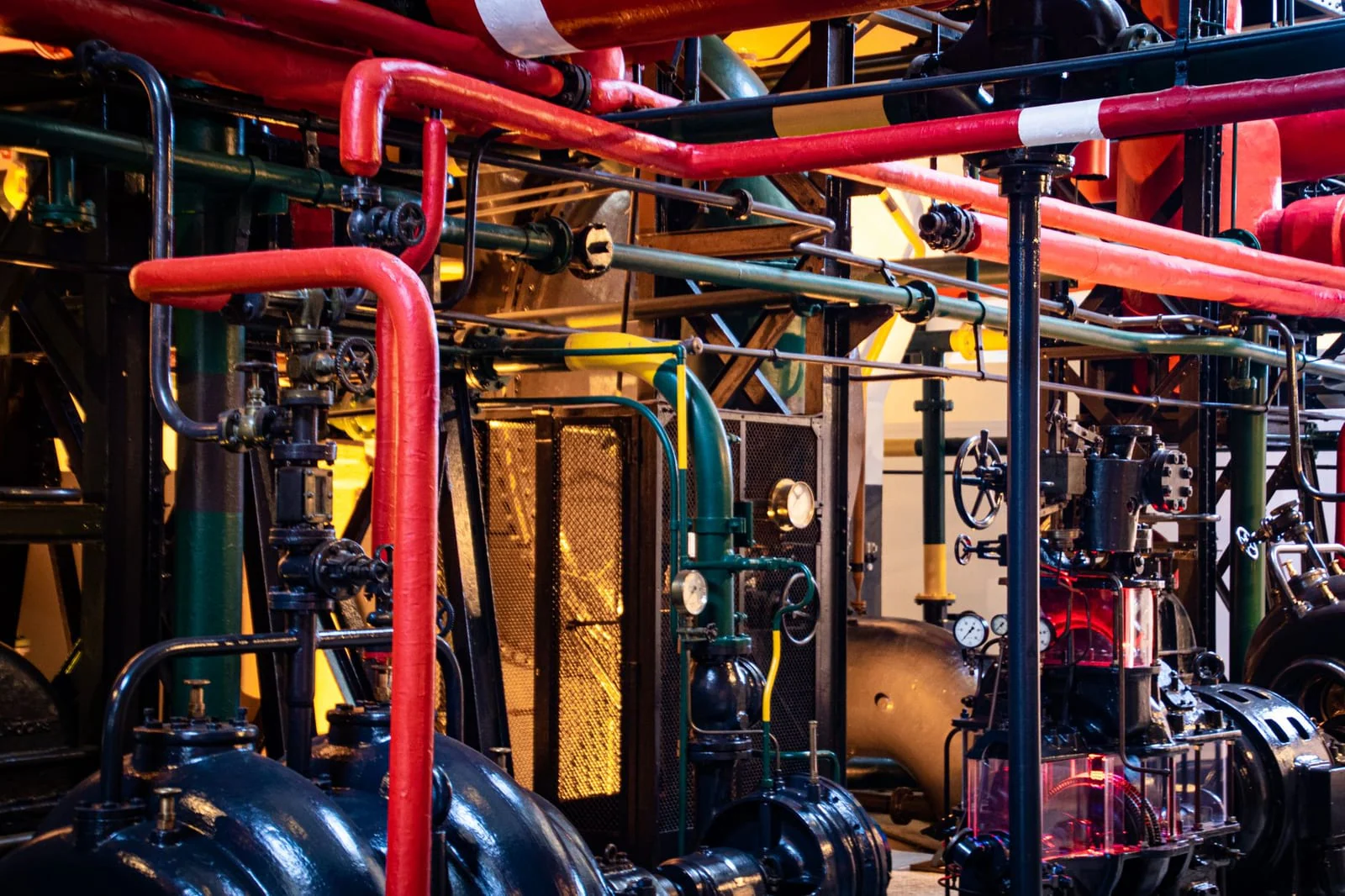
Condenser and heat-exchanger tube bundles cooled by seawater — the primary design application. The antifouling surface keeps tubes clean so heat-transfer performance holds up over a long service life, and the corrosion resistance withstands continuous seawater flow.[1]
Seawater Piping & Ships’ Systems
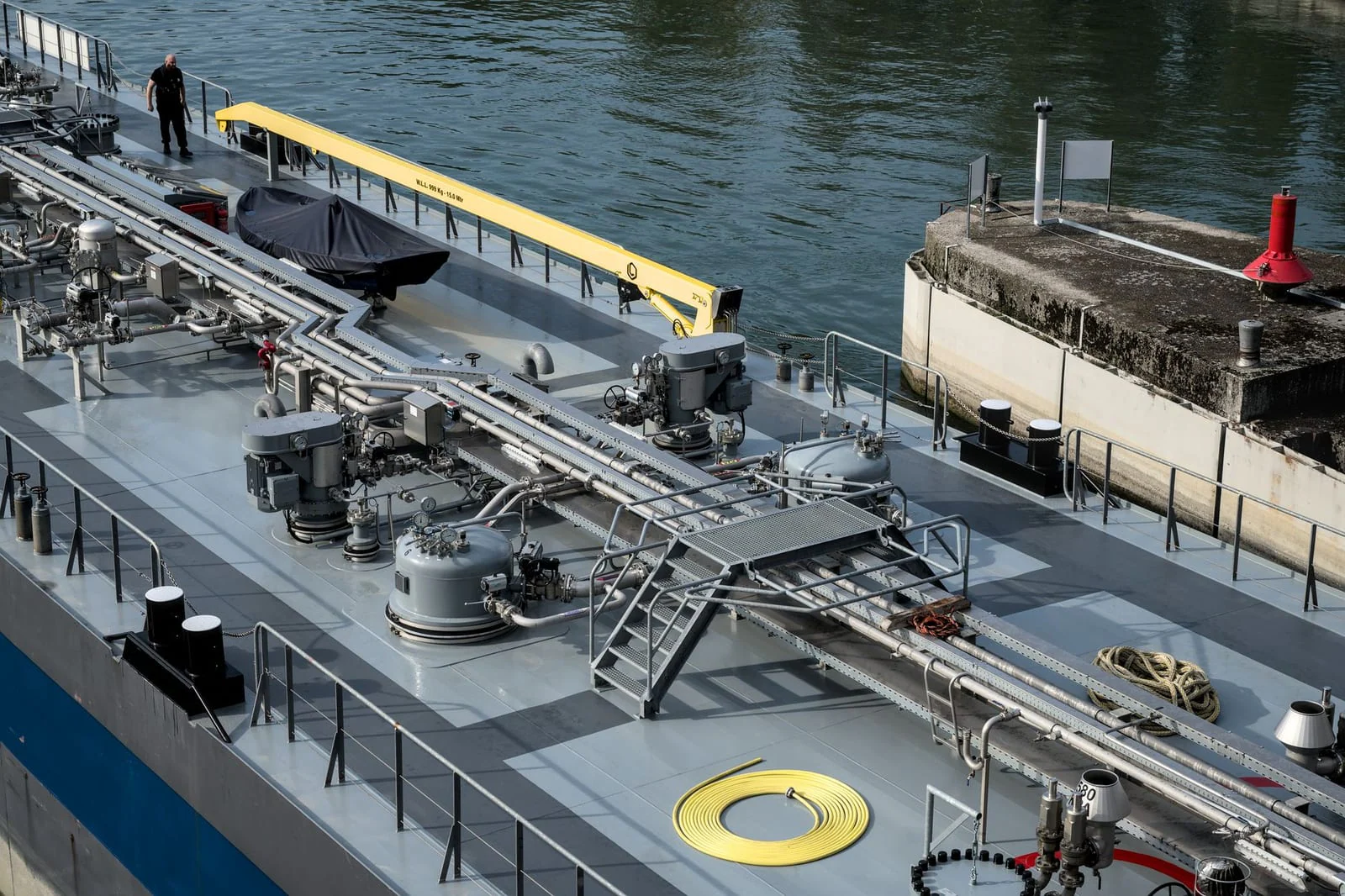
Seawater piping, sea chests, and inlet screens aboard ships and offshore platforms. B10 resists both the corrosion and the biofouling that would clog or perforate brass or steel lines, making it the standard for shipboard seawater circuits.[2]
Desalination Plant

Tubing and evaporator bundles in seawater desalination plant, where hot, aggressive brine and the need for fouling control together favour the copper-nickels.
Offshore & Coastal Heat-Exchange
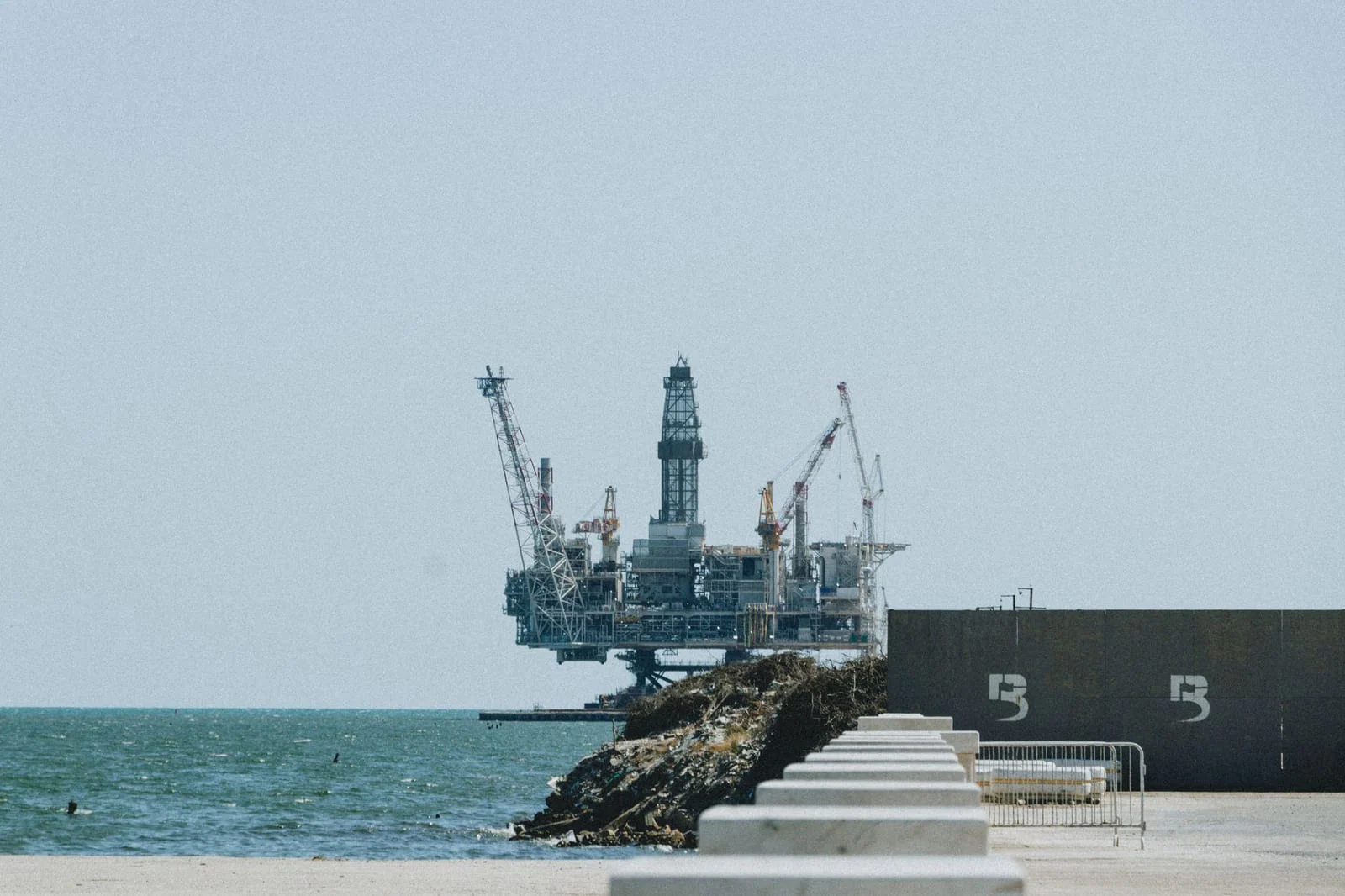
Coastal and subsea heat-exchange equipment on platforms and in marine engineering generally, wherever biofouling control over a long maintenance interval is critical.
Forms & Finishes
Common product forms:TubePipeSheetStripBar
Surface finishes:MillBright annealed
Thin-wall tube is the workhorse form for B10, supplied for condenser and heat-exchanger bundles; sheet, strip, and bar serve plate heat-exchangers, tube sheets, and fabricated seawater fittings.
References
- Copper-Nickel for Seawater Corrosion Resistance and Antifouling: A State of the Art Review. Copper Development Association (CDA). 90-10/70-30 copper-nickels have been developed for seawater service for over half a century; with dedicated chapters on antifouling mechanisms and cleanability. copper.org/.../cuni/.../corrosion_resistance_and_antifouling
- Copper-Nickel Alloys — Biofouling Resistance. Copper Development Association (CDA). Antifouling properties of copper-nickel alloys (slow release of Cu²⁺ inhibits attached organisms). copper.org/.../cuni/properties/biofouling
- Mechanism underlying the acceleration of pitting corrosion of B30 copper-nickel alloy by Pseudomonas aeruginosa. Frontiers in Microbiology 14, 2023. Pitting of the related B30 cupronickel accelerates under marine bacteria — cupronickel antifouling is not absolute, so it should not be overstated. pmc.ncbi.nlm.nih.gov/articles/PMC10171368
- Effect of Cr on the Microstructure and Mechanical Properties of Cu-Ni-Si Alloys. Materials (MDPI), 2026. Conductivity expressed in %IACS; the effect of solute/precipitate elements on copper-alloy conductivity. pmc.ncbi.nlm.nih.gov/articles/PMC13075149