In short: 2507 is the seawater-grade super duplex stainless steel — a balanced two-phase alloy of austenite (γ, FCC) + ferrite (α, BCC) in roughly equal proportions, not a single-phase austenitic. Its high chromium (~25%), molybdenum (~4%) and nitrogen (~0.27%) lift the pitting resistance equivalent (PREN ≈ 42) to super-duplex / seawater class, giving the highest chloride pitting and stress-corrosion-cracking resistance among common stainless steels.[2][3] The ferrite phase supplies strength (yield ≥ 550 MPa, ~3× that of 316) while the austenite phase supplies toughness and ductility.[3] The defining processing risk is sigma-phase embrittlement: as little as 5% σ — precipitated between ~630–1010 °C — drops impact energy by 80% and critical pitting temperature by 25 °C, so 2507 demands a solution anneal followed by rapid quench and a narrow welding window.[1] Step down to standard duplex 2205 or lean duplex 2304 where the service is less aggressive.
What 2507 Super Duplex Stainless Steel Is
2507 is the seawater-grade super duplex stainless steel — the high-alloy step up the duplex ladder from standard duplex 2205 and lean duplex 2304. It is a two-phase (duplex) alloy: a balanced microstructure of roughly 50% austenite (γ, face-centred cubic) + 50% ferrite (α, body-centred cubic), not a single-phase austenitic steel.[4]
In the Unified Numbering System it is UNS S32750; in European EN it is 1.4410; the original SANDVIK designation SAF 2507 is still in wide commercial use. The "2507" name itself encodes the alloy: 25% chromium, 07% nickel — with ~4% molybdenum and ~0.27% nitrogen rounding out the recipe that defines the super-duplex class.[4]
The word "duplex" is the whole point: 2507 deliberately holds two crystal structures in balance so that each phase contributes what the other lacks. The ferrite phase supplies high strength and resistance to chloride stress-corrosion cracking; the austenite phase supplies toughness, ductility and a share of the corrosion resistance. Research on S32750 states it plainly — duplex grades combine "the excellent mechanical properties of ferrite with the superior corrosion resistance of austenitic stainless."[3]
What makes 2507 *super* duplex rather than standard duplex is its corrosion budget. Its high Cr/Mo/N content pushes the pitting resistance equivalent number (PREN) above 40 — the threshold that "places them among the high corrosion-resistant stainless steels."[2] That is the difference between general chloride service and the most aggressive seawater, subsea and acidic-chloride duty 2507 is built for.
Chemical Composition
Composition limits for 2507 super duplex (per UNS S32750 / EN 1.4410). Three deliberate moves over standard duplex 2205 define the grade: higher chromium (~25%) for the passive film, higher molybdenum (~4%) against pitting and crevice attack, and higher nitrogen (~0.27%) — which both stabilises the austenite phase and is the most potent contributor to PREN through its 16× weighting.[4]
| Element | Symbol | Content (wt%) | Role |
|---|---|---|---|
| Chromium | Cr | 24–26 | Forms the passive film and stabilises ferrite; the largest PREN term — raised to ~25% for super-duplex class |
| Nickel | Ni | 6–8 | Austenite stabiliser — balances the ~50/50 two-phase structure (deliberately lean vs austenitic grades) |
| Molybdenum | Mo | 3.8–4.2 | Boosts pitting and crevice resistance; weighted 3.3× in PREN — raised to ~4% over 2205 |
| Nitrogen | N | 0.24–0.32 | Austenite stabiliser and interstitial strengthener; weighted 16× in PREN — the most potent corrosion-budget element |
| Carbon | C | ≤ 0.03 | Held very low (≤0.03%) to avoid chromium-carbide sensitisation |
| Manganese | Mn | ≤ 1.2 | Deoxidiser; assists nitrogen solubility |
| Silicon | Si | ≤ 0.8 | Deoxidiser |
| Iron | Fe | Balance | Base metal |
Per UNS S32750 / EN 1.4410 limits. The PREN formula and the >40 super-duplex threshold are documented for type 2507.[2]
Crystal Structure: A Balanced Two-Phase γ + α Microstructure
Stainless steel is an alloy — a solid solution of elements in iron — so it has no molecular formula. The correct description is by crystal structure. For 2507 that description is fundamentally different from a single-phase grade: it is duplex, holding two crystal lattices side by side.
After a solution anneal (~1020–1120 °C) and rapid quench, 2507 settles into roughly equal amounts of ferrite (α) and austenite (γ). The ferrite is body-centred cubic (BCC) — the same lattice family as carbon steel — and the austenite is face-centred cubic (FCC), the lattice of 304/316. Duplex alloys are an "Fe-Cr-Ni-N system… consist of an equal amount of ferrite (α) and austenite (γ) phases," and "the combined lattice arrangement of Body Centred Cubic (BCC) and Face Centred Cubic (FCC) structure gives greater strength and offers excellent resistance against Stress Corrosion Cracking (SCC)."[4]
Phase division of labour. This is why 2507 is engineered as two phases rather than one. The BCC ferrite is intrinsically stronger than FCC austenite and resists chloride stress-corrosion cracking; the FCC austenite restores the toughness and ductility that a fully ferritic steel would lose. Studies on S32750 describe exactly this split — "combining the excellent mechanical properties of ferrite with the superior corrosion resistance of austenitic stainless" — and note that nitrogen is added to stabilise the austenite while simultaneously strengthening the alloy and lifting its PREN.[3]
The whole structure depends on balance. The solution anneal exists to dissolve harmful intermetallics, restore the ~50/50 phase ratio, and recover full corrosion resistance. Disturb that balance — by holding the steel too long in the wrong temperature range — and the grade is degraded (see the next section, and the sigma-phase discussion under processing).
Corrosion Resistance: PREN ≈ 42, Seawater Class
Corrosion resistance is where 2507 earns the "super" prefix. The benchmark is the pitting resistance equivalent number — PREN = %Cr + 3.3×%Mo + 16×%N — a composition-derived ranking of chloride pitting resistance.[2] Standard duplex 2205 sits near 35; super duplex 2507 (S32750) is measured at PREN ≈ 42.1, comfortably above the PREN > 40 line that defines the high-corrosion-resistance class.[2][3]
Pitting and crevice corrosion. A PREN above 40 means 2507 withstands chloride concentrations and temperatures that pit austenitic 316 (PREN ~24) and even challenge standard duplex 2205 — which is why it is specified for warm seawater, subsea, and concentrated-chloride process streams. Pitting in duplex alloys initiates preferentially in the phase with the lower local PREN, so a healthy, balanced two-phase structure with no harmful precipitates is the precondition for that resistance.[3][5]
Chloride stress-corrosion cracking (SCC). This is the failure mode that pushes designers off austenitic grades. The two-phase structure resists chloride SCC far better than single-phase austenitics: the BCC ferrite is itself SCC-resistant, and the phase boundaries interrupt the continuous crack paths that propagate through an all-austenitic matrix. The "BCC and FCC structure gives greater strength and offers excellent resistance against Stress Corrosion Cracking," and the duplex design confers "immunity to stress corrosion" together with good ductility and toughness.[4][3]
The boundary condition. That SCC and pitting resistance is contingent on the microstructure staying healthy. The same authoritative review warns that duplex steels become "susceptible to intergranular, pitting and stress corrosion in corrosive environments due to the formation of secondary phases" — that is, the resistance is real only while the ~50/50 balance is intact and no sigma/chi/α′ precipitates have formed. This is the corrosion-side reason the sigma-phase window (next section) matters so much for 2507.[1]
Sigma-Phase Embrittlement — Why the Heat-Treatment Window Is Narrow
The defining hazard of super duplex is sigma-phase (σ) embrittlement. Because 2507 carries more chromium and molybdenum than any standard duplex, it precipitates the brittle Cr-Mo intermetallic σ phase faster and more readily — which makes its hot-working and welding window the narrowest of the duplex family.[1]
Where σ forms. In type 2507, "sigma phase was the major intermetallic precipitating between 630 °C and 1010 °C," with its morphology changing from blocky to fine coral-shaped as it grows. It nucleates at the α/γ phase boundaries, drawing Cr and Mo out of the surrounding matrix — which is precisely what cripples both toughness and corrosion resistance at once.[1][5]
How little it takes. The damage is dramatic and disproportionate to the amount. Researchers report an 80% drop in impact energy and a 25 °C reduction in critical pitting temperature after the precipitation of just 5% σ, with σ phase causing "an extreme reduction of corrosion resistance and toughness."[1] A fraction of a percent of the wrong intermetallic, formed during a slow cool or a careless weld pass, can take a seawater-grade alloy below spec.
The 475 °C trap as well. Below the σ range, the ferrite faces a second embrittlement mechanism: holding near 350–550 °C (worst at ~475 °C) drives spinodal decomposition of the ferrite into Cr-rich (α′) and Cr-poor regions, sharply reducing toughness and corrosion resistance — the classic "475 °C embrittlement."[1] Together these define a wide band of forbidden service and processing temperatures.
The countermeasure. The fix is the same one that creates the structure in the first place: a solution anneal (~1020–1120 °C) followed by a rapid quench to dissolve any σ/χ/α′, restore the ~50/50 phase balance, and recover full corrosion resistance. Welding and forming must move quickly through 600–1000 °C and never linger there; over-annealing too high risks Cr₂N nitride precipitation instead. The narrow processing window is the price 2507 pays for its corrosion budget — and the reason fabrication of super duplex is a controlled-procedure job.[1][5]
Mechanical & Physical Properties
2507 is not only more corrosion-resistant than austenitic grades — it is far stronger. The duplex structure delivers roughly twice to three times the yield strength of standard austenitics, because the ~50% BCC ferrite is intrinsically stronger than FCC austenite and nitrogen adds interstitial strengthening on top.[4]
| Tensile strength (MPa) | ≥800 |
| Yield strength (MPa) | ≥550 |
| Elongation (%) | ≥15 |
| Hardness | ≤310 HB |
| Density (g/cm³) | 7.80 |
| Elastic modulus (GPa) | 200 |
| Magnetic response | Magnetic |
The "yield strength and the ultimate tensile strength of duplex stainless steel are 2–3 times greater than the commercial austenitic grades such as 304L and 316L," with the high strength attributed directly to the combined BCC + FCC structure.[4] For 2507 this means a yield around three times that of 316 — letting designers down-gauge wall thickness and save weight in pressure-containing seawater equipment while keeping the corrosion margin.
The mechanism is the phase division of labour again: the ferrite supplies the mechanical strength while the austenite supplies the ductility and toughness that keep the high-strength alloy from being brittle.[3] All properties quoted assume the solution-annealed condition — strength and toughness both depend on a clean two-phase structure free of σ-phase embrittlement.
Key Characteristics
- Balanced two-phase structure. Roughly 50% austenite (γ, FCC) + 50% ferrite (α, BCC) — the ferrite gives strength and SCC resistance, the austenite gives toughness and ductility.
- PREN ≈ 42 — seawater class. Above the PREN > 40 super-duplex threshold; the highest chloride pitting and crevice resistance among commodity stainless steels.
- ~3× the yield strength of 316. The BCC ferrite plus nitrogen strengthening allows thinner, lighter pressure-bearing sections.
- Superior chloride SCC resistance. The two-phase structure resists stress-corrosion cracking that fails austenitic 316 in warm chloride service.
- Narrow processing window. High Cr/Mo make σ-phase embrittlement (630–1010 °C) and 475 °C embrittlement easy to trigger — solution anneal + rapid quench is mandatory; welding is a controlled procedure.
- Magnetic. The substantial ferrite content makes 2507 ferromagnetic, unlike austenitic grades.
How 2507 Is Made
Production follows the stainless route — EAF melting, AOD/VOD refining, hot and cold rolling, pickling — but with two super-duplex-specific demands. The melt chemistry must hit tight Cr/Mo/N targets to land PREN above 40, and every thermal step must respect the σ-phase and 475 °C windows. The single most important operation is the final solution anneal and quench, which sets the two-phase balance and dissolves any harmful intermetallics.
Solution anneal + rapid quench: heat to ~1020–1120 °C to dissolve σ/χ/α′ and equalise the phase ratio, then quench fast through 600–1000 °C so σ phase has no time to re-form. Welding and hot forming must move quickly through the same band; slow cooling or excessive heat input re-precipitates σ at the α/γ boundaries and takes the alloy below its corrosion and toughness spec.[1]
2507 vs 2205 vs 316 — Super Duplex, Standard Duplex, Austenitic
The choice across these three is a choice of corrosion budget and strength. 316 is single-phase austenitic — tough and weldable but limited in warm chlorides. 2205 is standard duplex — twice the strength and far better chloride resistance. 2507 is super duplex — the top of the duplex ladder for the most aggressive seawater and acidic-chloride service, at the cost of the narrowest processing window.
Applications by Industry
2507's combination of seawater-class pitting resistance, chloride-SCC immunity and high strength makes it the default where austenitic and even standard-duplex grades fall short — the most aggressive chloride environments under pressure.
Offshore Oil & Gas and Subsea
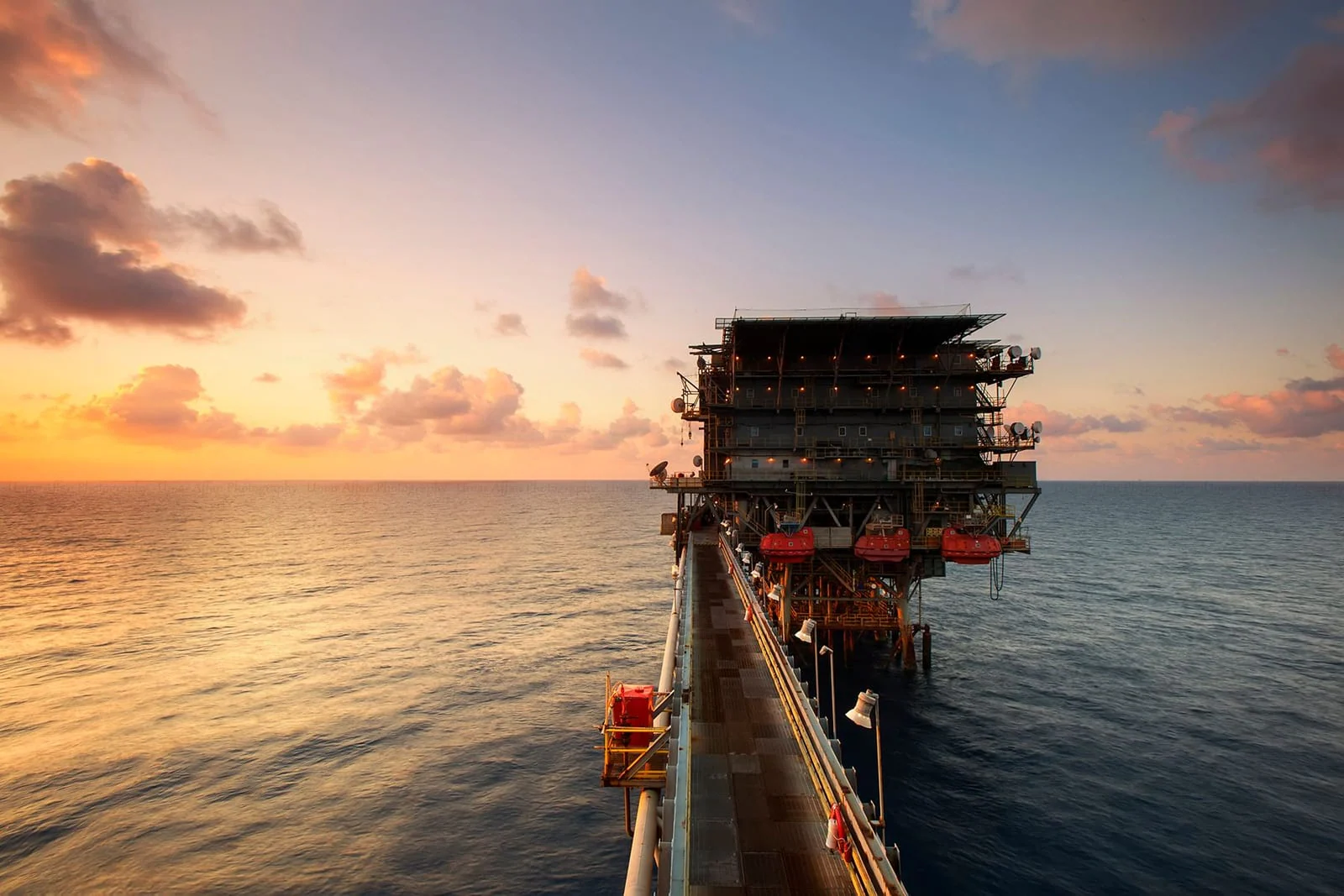
Subsea flowlines, manifolds, umbilicals and offshore process equipment exposed to warm seawater and sour, chloride-rich production fluids. The high yield strength lets engineers reduce wall thickness and weight on pressure-bearing components while keeping the corrosion margin.
Seawater Desalination
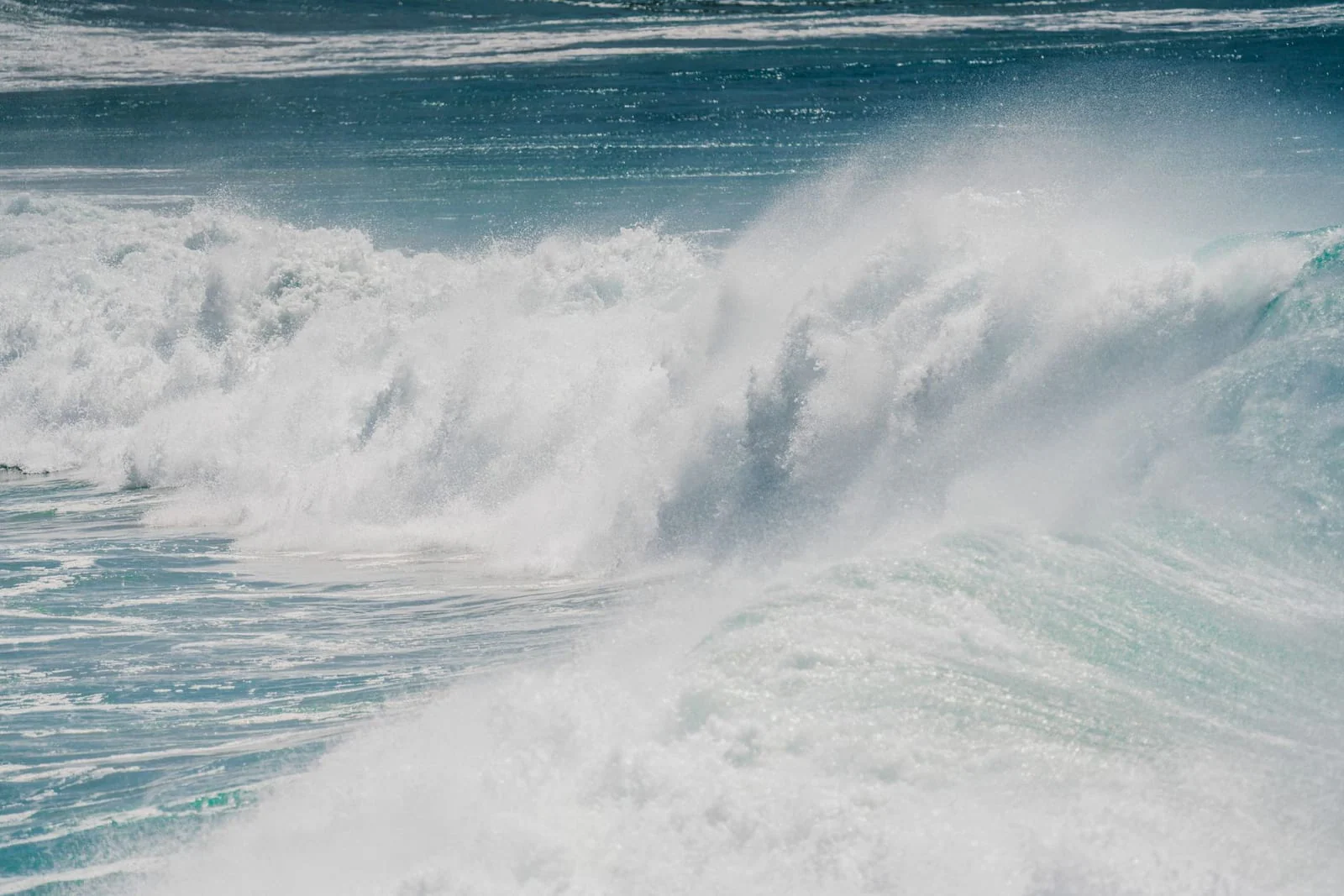
High-pressure piping, pumps and vessels in reverse-osmosis and thermal desalination plants, where concentrated chloride brine at temperature would pit austenitic grades. PREN ≈ 42 is the corrosion budget that keeps these lines in service.
Aggressive Chemical Process
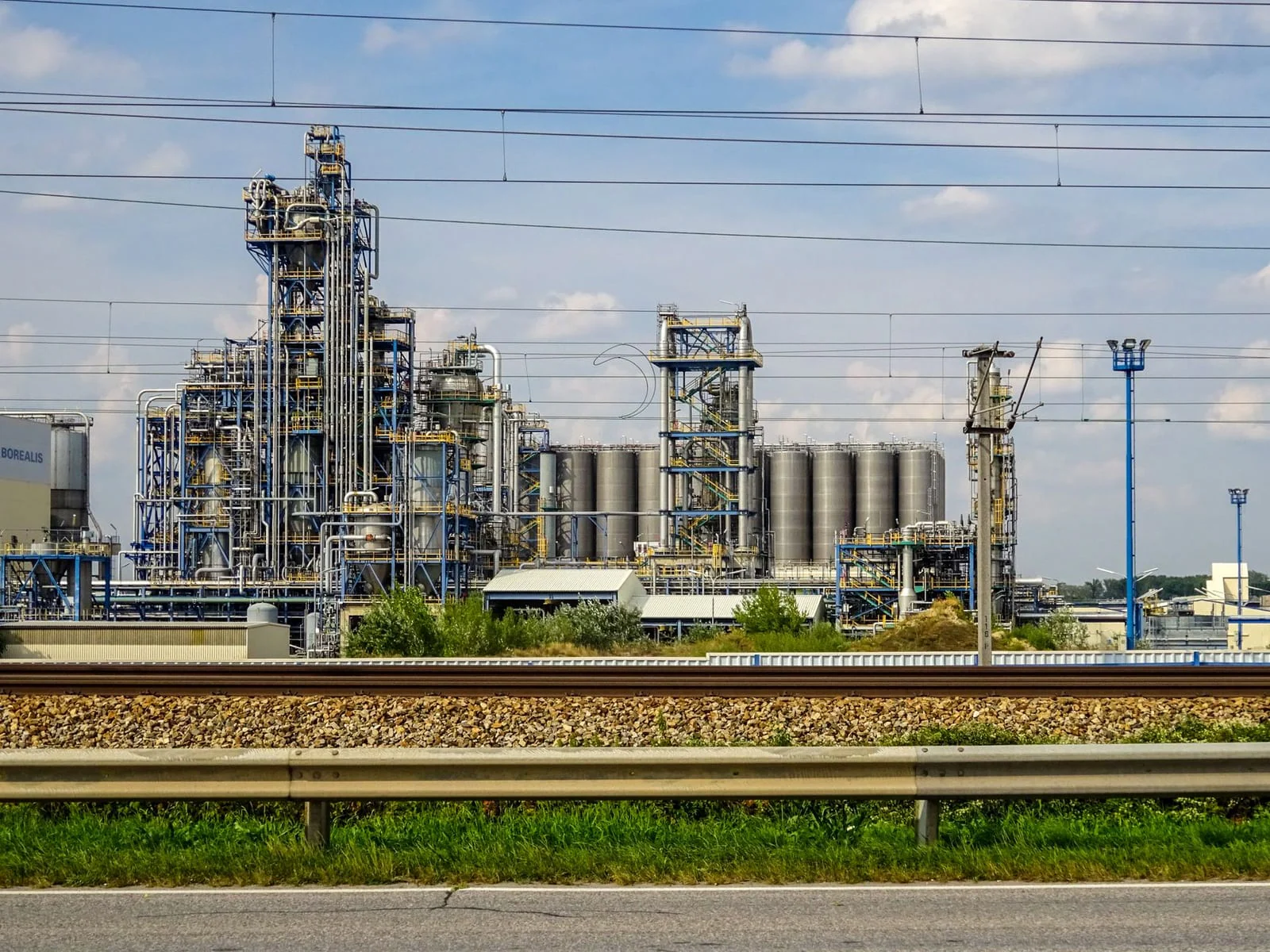
Process vessels, heat exchangers and reactors handling acidic chloride media. The two-phase structure resists both pitting and stress-corrosion cracking in service that combines chlorides, acidity and stress.
Marine Equipment
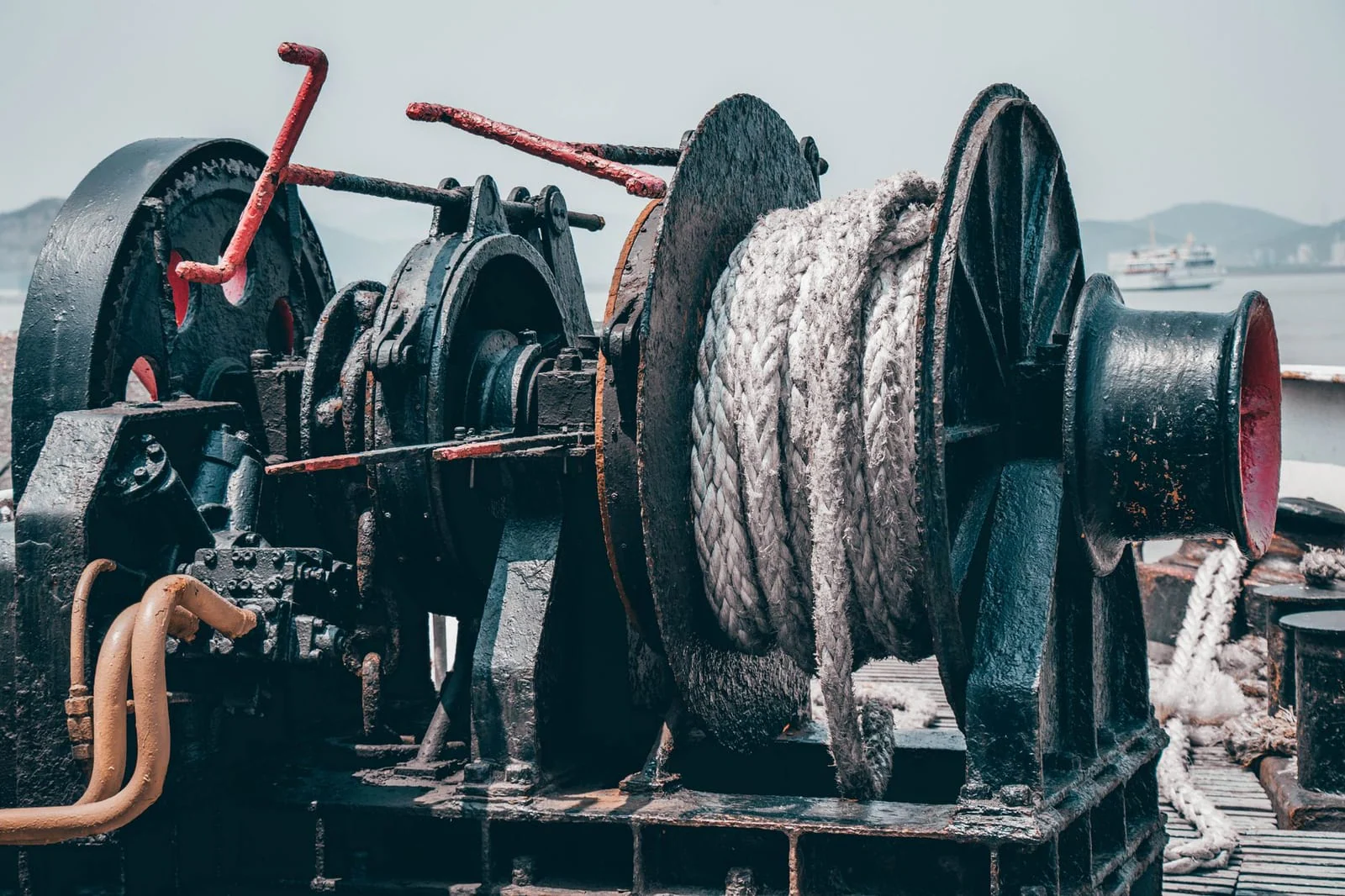
Marine heat exchangers, seawater-cooled condensers, and pump and valve components in direct seawater contact, where crevice corrosion at gaskets and tube sheets is the limiting failure mode for lesser grades.
Forms & Finishes
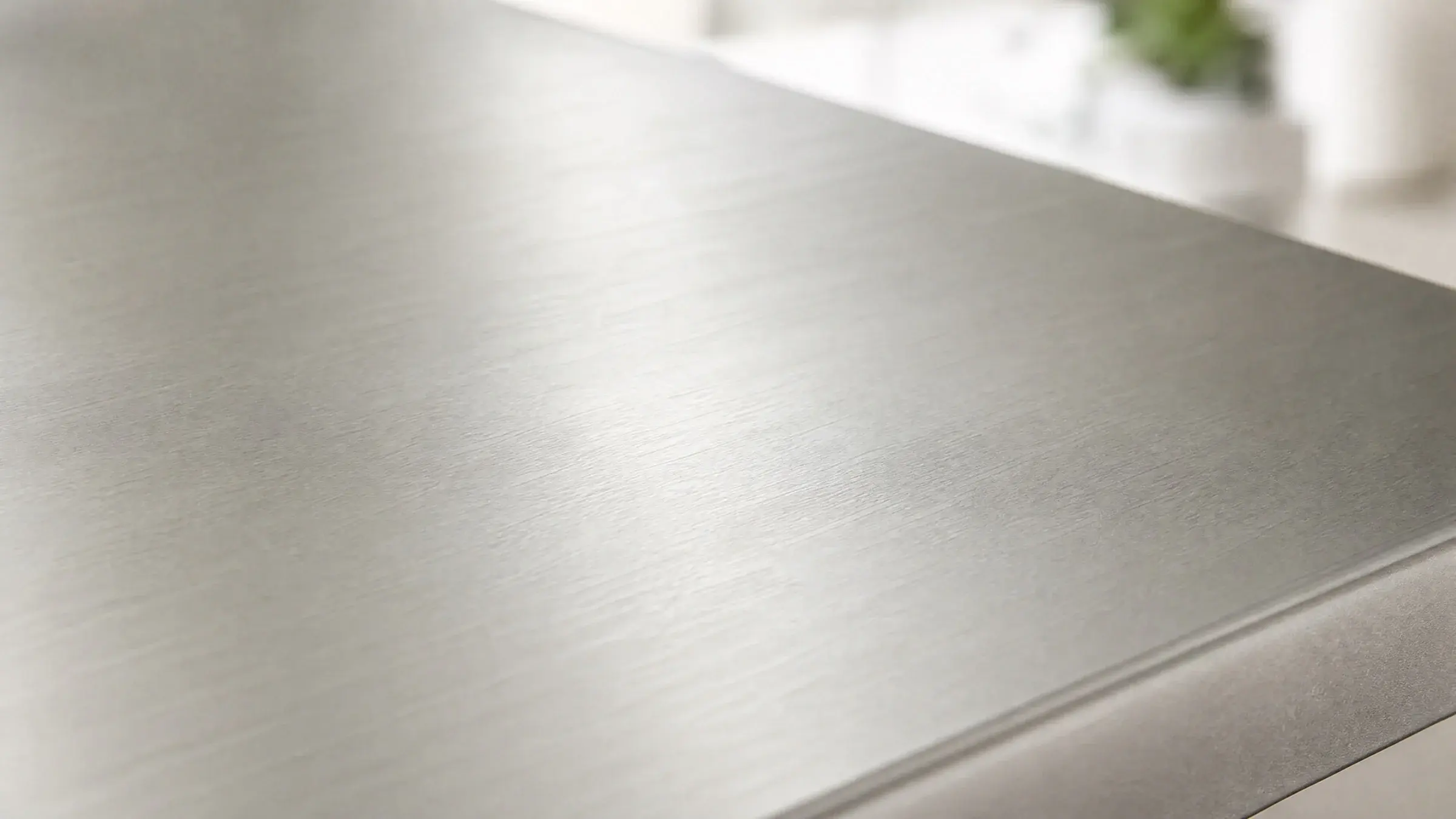
Common product forms:PlateSheetTubePipeBar
Surface finishes:1DNo.12B
For pressure and seawater service, the solution-annealed and pickled condition is the functional state — it guarantees the dissolved-intermetallic, balanced two-phase structure on which both the corrosion and strength specs depend.
References
- Effect of Secondary Phase Precipitation on the Corrosion Behavior of Duplex Stainless Steels. Chan & Tjong. Materials (MDPI) 7, 2014. — austenite+ferrite phases; sigma/chi at 700–900 °C; spinodal 475 °C embrittlement at 350–550 °C. pmc.ncbi.nlm.nih.gov/articles/PMC5455814/
- Effect of Sigma Phase Morphology on the Degradation of Properties in a Super Duplex Stainless Steel. Materials (MDPI) 11, 2018. — 2507 (UNS S32750); PREN = %Cr + 3.3%Mo + 16%N > 40; sigma 630–1010 °C, 5% σ → 80% impact-energy drop. pmc.ncbi.nlm.nih.gov/articles/PMC6025556/
- Study on the Effect of Microstructure and Inclusions on Corrosion Resistance of Low-N 25Cr-Type Duplex Stainless Steel via Additive Manufacturing. Materials (MDPI) 17, 2024. — S32750 PREN 42.1; ferrite gives mechanical strength, austenite gives corrosion resistance. pmc.ncbi.nlm.nih.gov/articles/PMC11084702/
- Weldability, machinability and surfacing of commercial duplex stainless steel AISI2205 for marine applications — A recent review. Journal of Advanced Research (Elsevier) 8, 2017. — equal ferrite(α)+austenite(γ); BCC+FCC → greater strength & SCC resistance; YS/UTS 2–3× of 304L/316L. pmc.ncbi.nlm.nih.gov/articles/PMC5292657/
- Effect of Secondary-Phase Precipitation on Mechanical Properties and Corrosion Resistance of 00Cr27Ni7Mo5N Hyper-Duplex Stainless Steel during Solution Treatment. Materials (MDPI) 15, 2022. — PREN up to 48+; σ-phase at α/γ interface; per-phase PREN, pitting in α; Cr₂N on over-annealing. pmc.ncbi.nlm.nih.gov/articles/PMC9658262/